Thrifting Culture in Singapore
- ejorigin

- Aug 31, 2023
- 5 min read
Written and Designed by: Hannah Phua (23-O4)
What is ‘thrifting’?
When one is posed with the phrase “thrifting”, the image of old, used out-of-date clothing pieces in Salvation Army may come to mind. However, in recent years, thrifting has taken on an extremely different meaning.
Strictly speaking, thrifting refers to shopping at thrift stores or flea markets, where one would find used items at discounted prices. Nowadays, the term is more loosely thrown around, evolving to encompass vintage clothing or reworked clothing that is far more expensive than the typical clothing one would expect to see in a Lucky Plaza flea market. These are all squeezed under the umbrella term of “thrifting”, as the key concept of used items at a marked down price is still present.
Why should you start thrifting?
Many people may be turned off by the idea of wearing someone else’s used clothing, especially since they may not necessarily be similar to the current styles that are trending. In that case, how can I convince you to start thrifting?
Firstly, thrifting is a great alternative to many fast fashion or greenwashing brands. The many stages of manufacturing new clothing incurs a lot of waste, and uses up significant amounts of energy and water. Throwing out old clothing also fills up the landfills with extra waste that takes many years for them to even start breaking down. By thrifting, the production stage is thus eliminated, and the end of the clothing’s life is extended by another few more years, before it is finally thrown out.
Furthermore, thrifting is cheaper than buying the pieces at its original pricing. Although the nicer, more fashionable pieces do go much higher, the extra that you are paying for goes into advocating for slow fashion. On top of that, many of these pieces are truly unique and one-of-a-kind, thus you would never see someone else on the streets wearing the same piece of clothing as you (unlike the UNIQLO airism tee or the gentlewomen bag trend). Thrifting is certainly an excellent way to expand your wardrobe, be it with unique statement pieces, or good quality basics.
How do I start thrifting?
Convinced to finally start thrifting but never knew how to or are too scared to venture into those Haji Lane shops that are full of fashionable people? Fret not, here is an A to Z guide on beginning your own sustainable thrifting journey!
Before you even step foot into any of these shops mentioned below, it is crucial that you do your relevant research beforehand. Does the style of the shop cater to your taste? Is it within your budget? And the most important question of all: do I actually need what I am about to buy? As enticing as retail therapy may be, it is always important to ensure that we buy things that we will wear, if not it completely defeats the purpose of sustainable fashion.
‘Legitimate’ thrifting
If you have yet to find a style that appeals to you, or simply just prefer to have more wearable daily items, the classic flea market style of thrifting may appeal to you more (and your wallet would thank you profusely).
The Hammock Market & The Luggage Market
Every Saturday and Sunday respectively, people flock to Aperia Mall in droves, eager to find the best deals at this weekly thrift event. Anyone can rent a booth here to sell their clothes. Thus, the majority of the clothes you would find here are suited for day to day wear, akin to the items on the racks of popular brand name stores, but at an extremely affordable price of a few dollars, a small fraction of the original price. One thing to note is that Hammock provides a section of curated personalities and thrift shops, thus its overall style is directed more towards the younger generation. Not only is it pricier than Luggage Market, the selection of shops change weekly, so it is a good idea to check out the brands that will be there before heading down, to avoid any disappointment.
Lucky Plaza
The upper level of Lucky Plaza is dedicated to thrift stores, selling pre-loved items at very low prices. However, I personally would not recommend coming here as a first time experience, as one would have to sift through enormous piles of clothes which are typically not in good condition. One would have to have a keen eye in order to spot the hidden gems in these original thrift stores.
Refash, Fashion Pulpit, Swapaholic
These established brand name thrift stores typically cater towards the older generation, with a selection of casualwear and work clothing, but one can definitely find basics in extremely good quality from these stores. Due to their strict policy of checking through the pieces before putting them up for sale, many of their pieces are in mint condition, some of which even still have their tags on. Refash has fixed prices for each type of clothing, so one might even be able to find branded pieces for below $15 here!
Vintage thrifting
These types of shops have been rapidly increasing in popularity recently, mainly catering to the y2k and streetwear styles. Since they are specially curated, these stores usually have a specific style that they cater to, and are on the pricier side of thrifting. It is also important to note that these stores may not always have clothes in the best condition, and that they may also be in the pricier range, starting from $30. Typically, the quality and pricing are directly proportional, so it mainly comes down to your own choice. Some examples of clothing you find here range from cargos, dickies work pants, branded sweatshirts, branded outerwear and y2k tanks.
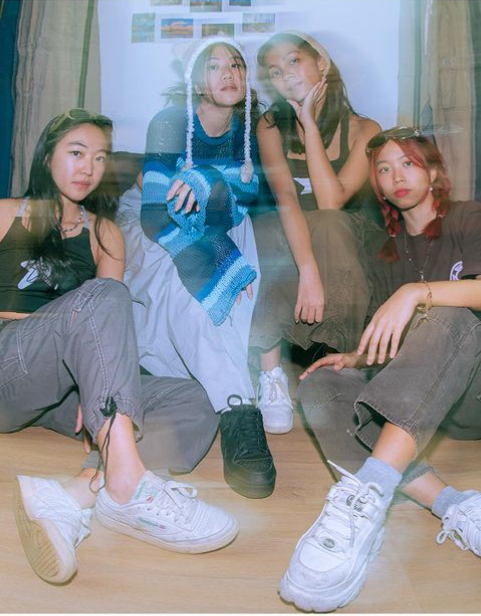
Y2k and streetwear fashionSource: ssaltythrifts on Instagram
Haji Lane: Re.drmg, Flame Vintage, Plop Apparels, Function Five Thriftshop, Woofie’s Warehouse
Queensway Shopping Centre: HONSIEPONSIE, Hikari Space, Bhabie’s Market, daisypasie, daisiesyard
Other locations: STAKEOUT, NONMAINSTREAM, Anteiku, Tasstore, Shop Rehearsal
(Plop Apparels carries both vintage clothing and pieces from niche independent designers, so some pieces are far more pricey)
Reworked Clothing
Reworked clothing refers to used garments that have been redesigned or used to make a completely new garment. The key driver of reworked clothing in Singapore is, without a doubt, Vintagewknd. Initially beginning in a desolated warehouse in Serangoon, to now owning two popular stores, Superwasted and Vintagewknd, in Haji Lane, the hotspot for tourism and thrifting.
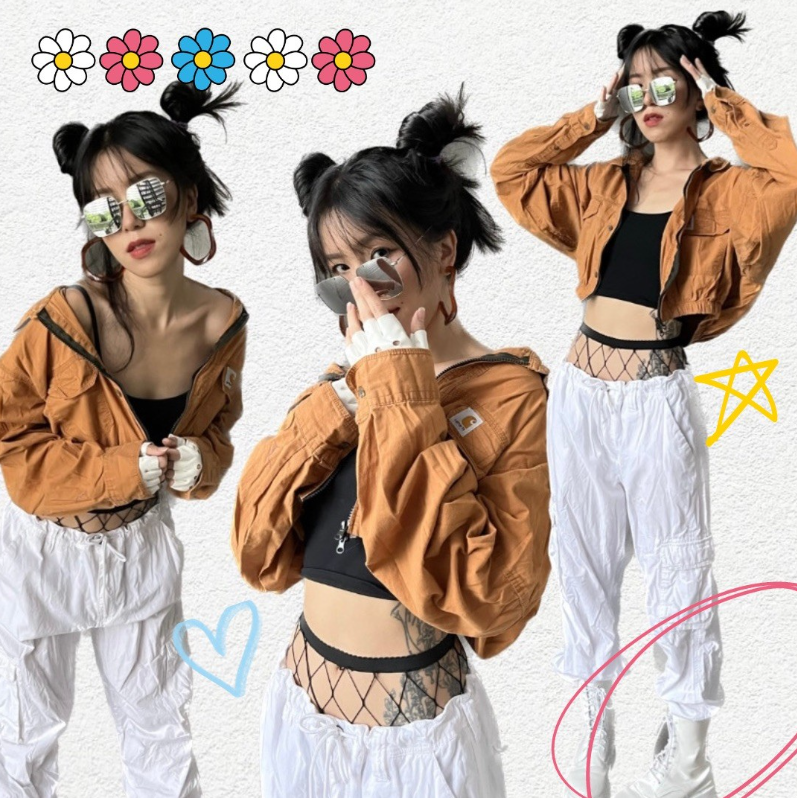
Source: superwastedstore on Instagram
Due to the effort and craftsmanship that goes into reworking old fabric into stunning, brand new pieces of clothing, these pieces tend to go for a much higher price, averaging at around $60-80. This may seem like an exorbitant amount, but the effort and quality of each piece has won Vintagewknd many loyal customers.
Tips & Tricks, and other Things of note:
I have barely even scratched the surface of thrifting culture in Singapore, as these are only limited to physical stores that I myself have been to. There are many online thrift brands that have pop-up events, at which many groups of curated brands come together to rent a physical space to sell their items. These events are infrequent, so the best way to find out about them is to follow such brands on social media.
Apart from that, here are some Tips & Tricks for your next thrifting trip:
#1 - ALWAYS hold onto items you like. Even if you are not entirely sure, just hold onto them. These pieces are unique and once someone else grabs it, it is gone for good
#2 - Check your items for any defects before purchasing them
#3 - Do not buy something if you are not 100% sure if you can fit into it. A more suitable piece will come along eventually so don’t feel pressured to purchase the first thing you like!
#4 - Bring a friend along! It is always far more enjoyable to shop with friends, and they can help provide you with a second opinion if you are not sure if something suits you.
#5 - HAVE FUN!


Comments